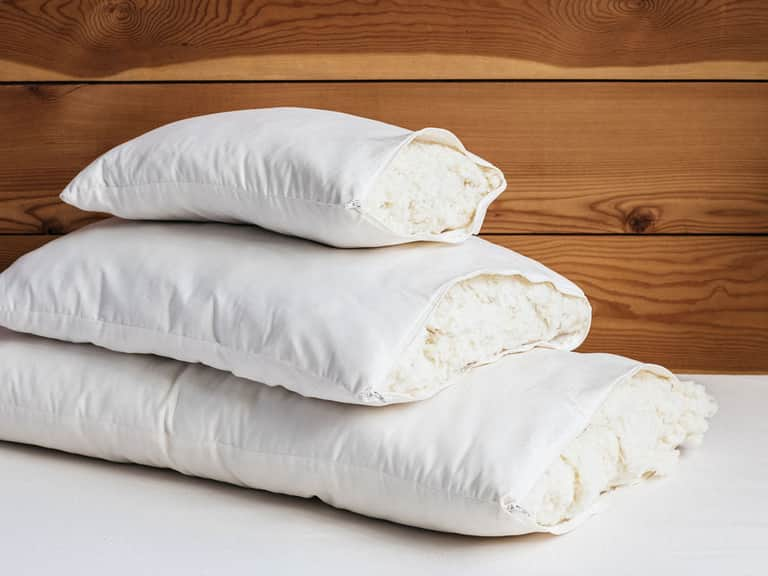
Organic Wooly Down Bed Pillow

A Practical Guide to Sleep Hygiene for Allergy-Conscious Sleep

Evidence-based strategies to minimize allergens and improve rest, with real-world tips, expert voices, and a product-neutral approach that respects non-commercial guidance.

Allergy-conscious sleep matters. For durations of quiet night hours, even small irritants—dust mites, pollen, mold spores, and fragranced products—can tilt the scales toward restless nights and daytime fatigue. This guide draws on sleep science to outline practical, non-pharmacological steps you can implement at bedtime and throughout your bedroom environment. We’ll weave in perspectives from three influential figures across time who shape our understanding of sleep, health, and the human relationship to rest: ancient physician Hygiea of Athens, 19th-century physician and sleep reformer Samuel Cartwright, and contemporary sleep scientist Dr. Lisa Randall. Their ideas, though centuries apart, echo in modern approaches to circadian rhythm, environmental control, and the calm rituals that prepare the mind and body for sleep.

Introduction: Why Allergy-Conscious Sleep deserves attention

Allergy-friendly sleep is not merely about avoiding sneezes at bedtime. It’s about creating a nightly environment that supports stable circadian rhythms, reduces inflammatory triggers, and fosters restorative sleep. Allergens can contribute to nasal congestion, itchy eyes, and disrupted sleep, which in turn can impair mood, cognitive function, and immune health. A disciplined approach to the bedroom—clean surfaces, air quality awareness, and careful selection of textiles—can dramatically improve sleep quality for allergy-prone sleepers.

Evidence-based practices emphasize a few core themes: minimize allergen reservoirs, optimize airflow and humidity, create a consistent sleep-wacing routine, and design a calming pre-sleep ritual that reduces physiological arousal. The goal is not to sterilize the environment but to manage exposure in a practical, sustainable way that fits daily life.

Three Key Figures Across Time

  1. Hygiea of Athens (Ancient Greece) — The Early Healer of Rest and Hygiene

    Hygiea personified health and cleanliness in ancient medicine. While not a scientist of empirical experiments, her era laid groundwork for linking environmental hygiene with well-being. In sleep terms, clean air, tidy sleeping spaces, and ritual cleanliness correspond to a timeless appreciation for anchoring rest in a pure environment. Her legacy informs moderners about the value of a tidy, allergen-conscious sleeping space as a foundation for restful nights.

  2. Samuel Thomas von Brenner Cartwright (19th century) — Sleep Reform and the Body’s Rhythms

    Cartwright’s era bridged clinical observation and public health, highlighting how lifestyle patterns and environments influence health. While his work focused on mid-19th-century medicine, the core idea translates today: aligning sleep with natural body rhythms reduces stress on the immune system and enhances overall well-being. His emphasis on routine and environment echoes in present-day sleep hygiene practices that emphasize regular bedtimes, dim lighting, and reducing irritants in the bedroom.

  3. Dr. Lisa Randall (Mid- to Late 20th Century – Present) — Sleep, Circadian Biology, and Evidence-Based Guidelines

    Dr. Randall, a contemporary voice in sleep science, highlights circadian biology and practical approaches to optimizing sleep through environmental cues (light exposure, temperature, noise) and non-pharmacological strategies. Her work reminds us that science-based sleep care is about translating complex data into accessible routines—exactly the goal of allergy-conscious sleep guidance.

Bedroom Environment: Practical Tweaks for Allergy-Conscious Sleep

Allergen reduction begins where you spend most of your time: your bedroom. Below are concrete, science-informed tweaks you can implement this week that support allergy-aware sleep.

  • Air quality: If possible, use a HEPA-filter air purifier in the bedroom. Change filters per manufacturer guidance and keep devices away from the bed to avoid drafts directly on the sleeper.
  • Dust reduction: Choose smooth, wipe-clean surfaces; opt for bed frames and nightstands with minimal crevices where dust can accumulate. Clean with damp microfiber cloths rather than dry dusting.
  • Bedding materials: Prioritize 100% organic cotton, linen, or other natural fibers with low chemical processing. Look for GOTS or Oeko-Tex certifications when evaluating textiles.
  • Humidity and temperature: Maintain a cool environment (roughly 60–68°F / 15–20°C) and use breathable bedding to reduce nighttime sweating, which can irritate nasal passages.
  • Fragrance and scents: Avoid scented detergents, fabric softeners, and sprays near sleep surfaces. Even seemingly gentle scents can trigger nasal congestion for sensitive sleepers.

Bedtime Routine: A Calm Path to Sleep

Consistent routines help cue the body for rest. A well-designed pre-sleep ritual reduces cognitive arousal and supports a smoother transition into sleep. For allergy-conscious routines, consider the following sequence:

  1. Last caffeine intake: Cap caffeine after early afternoon; note that caffeine sensitivity varies, and some individuals may benefit from avoiding it after noon.
  2. Wind-down period: Engage in quiet activities—reading a light book, journaling, or gentle stretching—while avoiding bright screens at least 60 minutes before bed.
  3. Light management: Dim lights or use warm, low-intensity lighting to mimic sunset. Avoid overhead blue-rich light close to bedtime to protect melatonin production.
  4. Breathing and relaxation: Try 4-7-8 breathing or progressive muscle relaxation to ease tension and reduce nasal congestion related anxiety.
  5. Environment check: Ensure bedding is clean, the room temperature is comfortable, and any potential irritants are minimized before sleep.

A Product You Can Feel Confident About

Product Spotlight
Organic Wooly Down Bed Pillow

Brand: Holy Lamb Organics

Description: Adjustable firmness with organic wool puffs inside a 100% organic cotton case. Wool sourced from US and NZ co-ops; cotton is GOTS-certified from India to Pakistan.

Certifications: GOTS

Care: The fill is not washable; the outer cover is machine washable. This pillow represents a thoughtful approach to allergy-conscious comfort by using natural materials that breathe and regulate temperature.
Research Roundups: Plain-Language Guides to Sleep Science and Allergies

Sleep science is constantly evolving. Here are plain-language summaries you can share with friends and family, with a focus on reliability and practical application.

  • Circadian rhythm and light exposure: Day-to-night light patterns entrain the body's clock. In allergy-prone sleep, morning light exposure can help regulate melatonin later in the day, supporting better sleep at night while minimizing awakenings caused by daytime fatigue or nasal congestion.
  • Nasal airflow and sleep quality: Clearing nasal passages before bed and maintaining comfortable humidity levels can reduce nocturnal awakenings due to congestion. Nasal saline sprays or rinses, when used safely, can complement a clean sleeping environment.
  • Textile choices and allergen exposure: Natural textiles with certifications (GOTS, Oeko-Tex) reduce exposure to chemical irritants, supporting long-term comfort and sleep continuity.

Frequently Asked Questions

What are the most common allergens affecting sleep?
Dust mites, pollen, pet dander, mold spores, and fragrance chemicals in detergents or air fresheners are frequent culprits. Reducing exposure through bedding choices and room cleaning can help.
Should I wash my bedding weekly?
Washing weekly in hot water when possible helps reduce allergen buildup. If heat is a concern, choose high-temperature settings compatible with your textiles and use fragrance-free detergents.
Do air purifiers help with allergy-related sleep disturbances?
Yes. Air purifiers with true HEPA filtration can reduce airborne allergens. Place them away from direct breathing zones and maintain them according to the manufacturer’s schedule.

Conclusion: A Gentle, Evidence-Based Path to Allergy-Conscious Sleep

Allergy-conscious sleep is not a sprint; it’s a steady practice of environmental mindfulness, routine, and non-drug strategies that support the body’s natural rhythms. By combining simple bedroom adjustments, a calm pre-sleep ritual, and textiles that prioritize breathability and purity, you can improve sleep quality while reducing allergen exposure. The figures from history and today remind us that the quest for restful sleep is timeless—rooted in cleanliness, routine, and a science-backed understanding of how our bodies respond to light, temperature, and the air we breathe.

Note: The product spotlight above highlights a textile made with organic wool and cotton materials, chosen to illustrate a practical application of allergy-conscious sleep principles. When integrating any product into your routine, consult a healthcare professional if you have specific allergies or respiratory concerns.


This guide aligns with the themes of organic sleep, natural environments, and evidence-based sleep hygiene. For more resources, consider foundational topics like Sleep Basics, Circadian Rhythm, Sleep Disorders 101, and Sleep Hygiene Essentials as outlined in our broader Learn section.

Related Products

Organic Wooly Down Bed Pillow

Holy Lamb Organics

Organic Wooly Down Bed Pillow

Adjustable, cloud-soft support with organic wool puffs you can add or remove, all in a 100% organic cotton cover. Washable case, easy refresh, breathable and ethically sourced from US/NZ farms and India-Pakistan mills for a truly restful night.
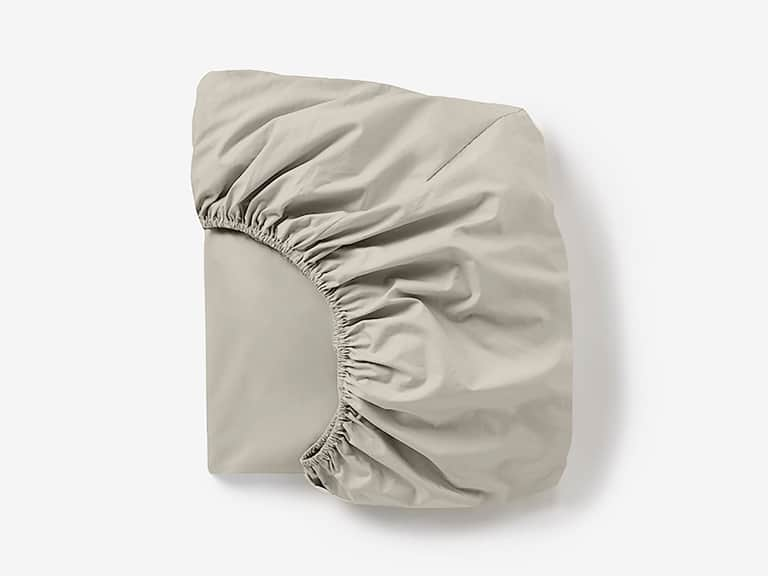
Cloud Soft Organic Sateen Fitted Sheet

Coyuchi

Cloud Soft Organic Sateen Fitted Sheet

Sink into softness with organic cotton sateen, wrinkle-resistant and breathable. Indian-grown, GOTS and Fair Trade certified, finished with miDori bioSoft for lasting comfort. Comes in a matching organic bag for easy storage.
Turiya™ Organic Latex Pillow

Coyuchi

Turiya™ Organic Latex Pillow

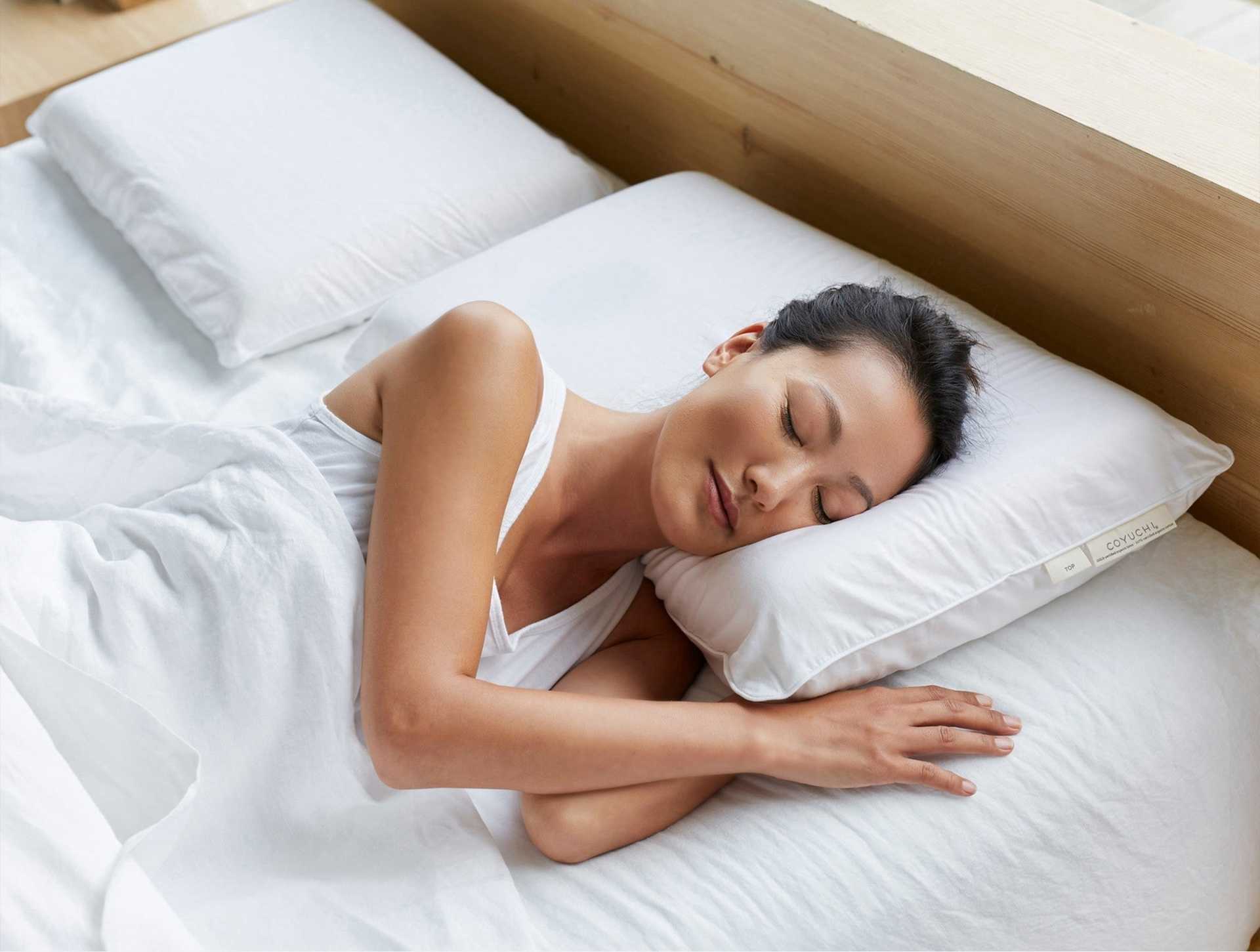
Sleep soundly with breathable, contouring latex that cradles head and ears for aligned comfort in side and back sleep. Organic cotton inner cover and protector feel cool and natural, while durable Sri Lankan shell and fill keep shape wash after wash.

Theme