Pillow covers serve as protective and decorative layers that influence sleep quality by managing texture, breathability, and cleanliness. In organic bedding contexts, natural fibers like linen and cotton offer temperature regulation and reduced allergen exposure. Understanding fabric weight, weave, and finish helps users select covers that complement existing bedding and support healthy sleep environments.
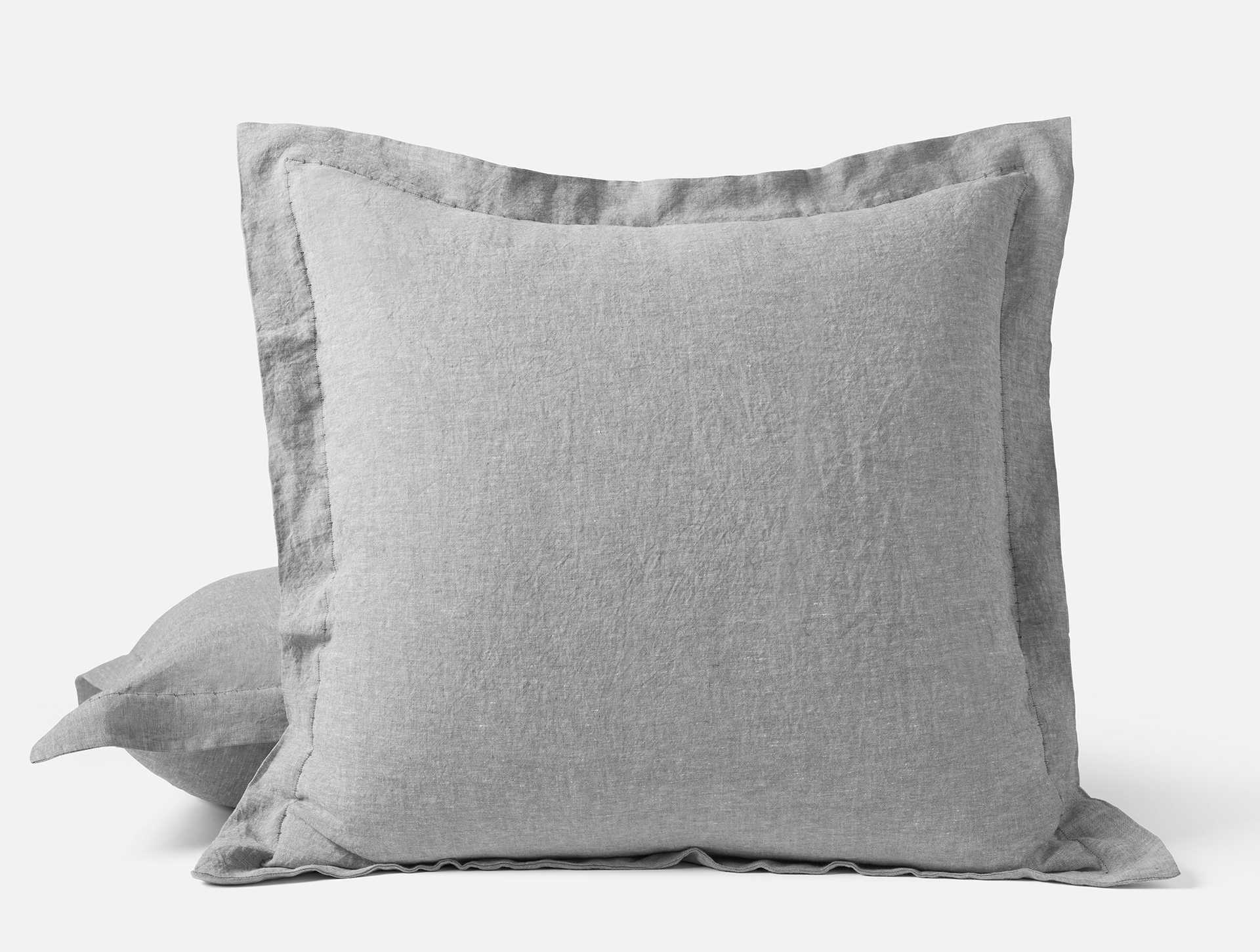
Organic Relaxed Linen Sham emphasizes the benefits of linen: durability, moisture-wicking properties, and a naturally breathable structure. The relaxed weave provides a casual silhouette while maintaining a smooth surface for skin contact. Such shams pair well with varied pillow sizes and contribute to a serene, climate-friendly bedroom atmosphere.
Key features often include: pre-washed finish for softness, natural earthy tones, and envelope closures that reduce fabric snagging. Functional advantages include easy care, long-term dimensional stability, and reduced pilling compared to lower-grade blends. These aspects support consistent comfort and a tidy, minimal aesthetic in organic sleep setups.
In terms of usability, pillow covers protect pillows from oils, sweat, and dust while enabling regular laundering to sustain hygiene. For sensitive sleepers, organic materials minimize exposure to synthetic chemicals. Choosing appropriate thread count and weave can influence tactile feel, snappiness, and resistance to wrinkling during rest and repositioning.
Meta keywords such as bedding, pillows, sheets, organic mattresses, and latex align with the broader bedding ecosystem. Integrating pillow covers like Organic Relaxed Linen Sham into a flexible, breathable sleep system enhances overall comfort, supports allergen control, and complements other organic textiles used for a cohesive and healthy sleeping environment.
 Bedding